CANTINA URBANA


Welcome to the winery in the city

We brought a winery to a metropolis. Why? To welcome you and give you the key to a world that is sometimes too closed and distant.


Cantina Urbana Milano 1
Cantina Urbana Milano 3

Michele Rimpici,
, founder of
andCantina Urbana.

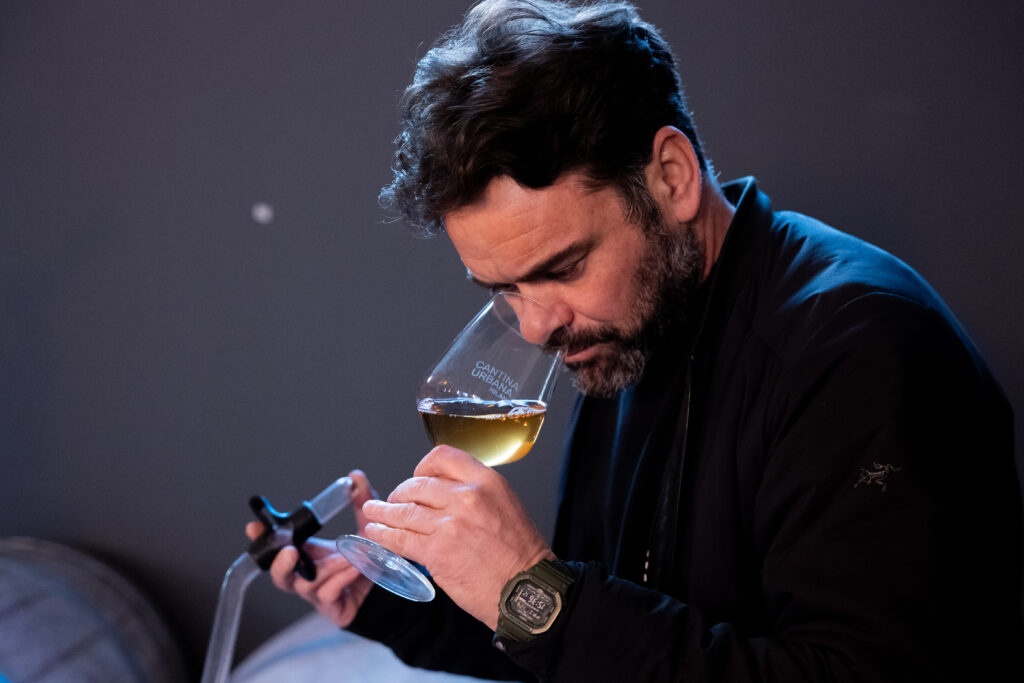
"I founded Cantina Urbana to pursue a dream: Making Wine."

Our Network

Small, artisanal winemakers, handpicked one by one, from all over Italy. Ten regions: Lombardy, Piedmont, Veneto, Trentino, Friuli, Tuscany, Marche, Abruzzo, Puglia, and Sicily. We do not represent a single, insular family: we are a gathering place where true artisans meet an urban winery.

Our Selection

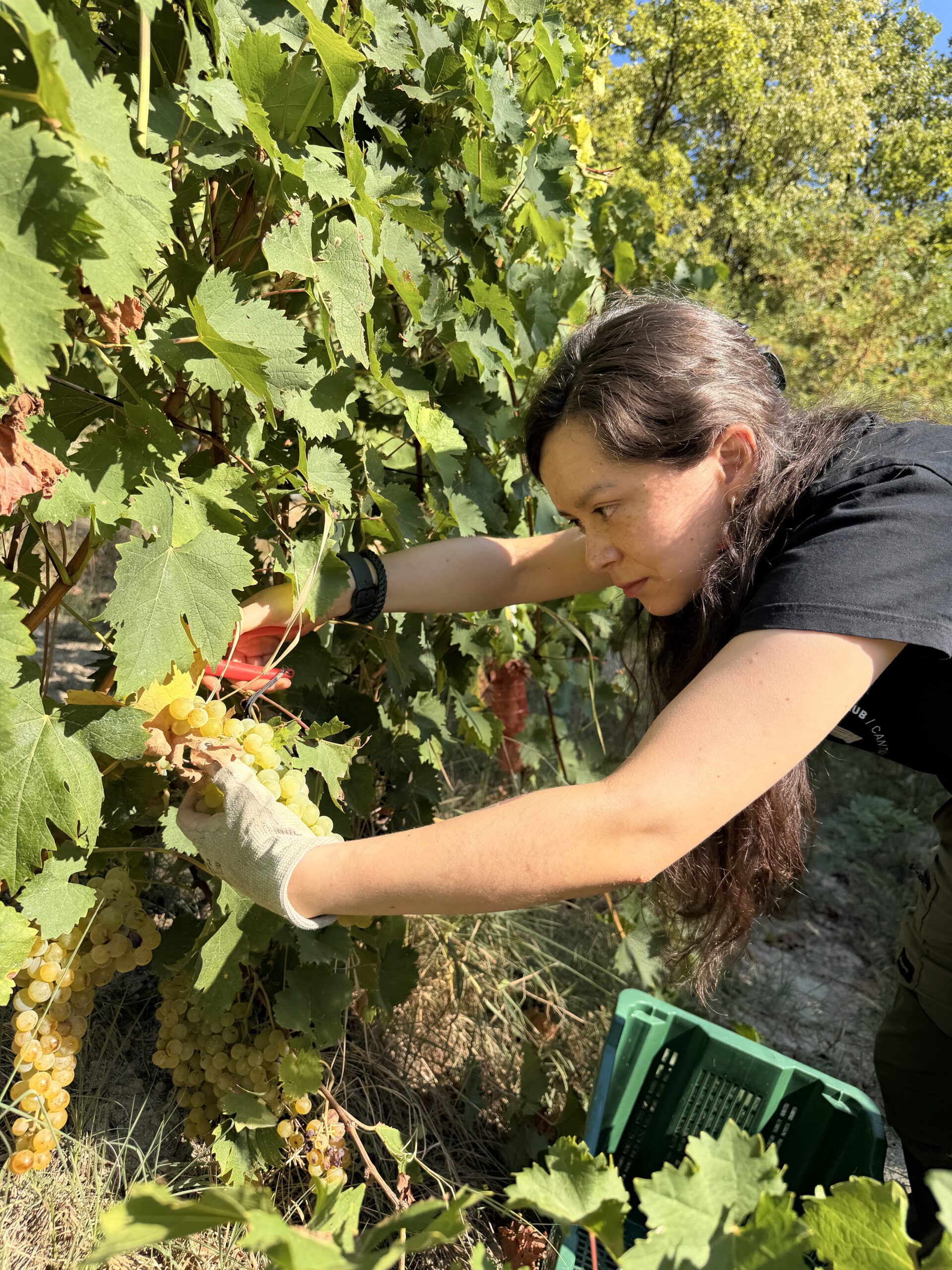
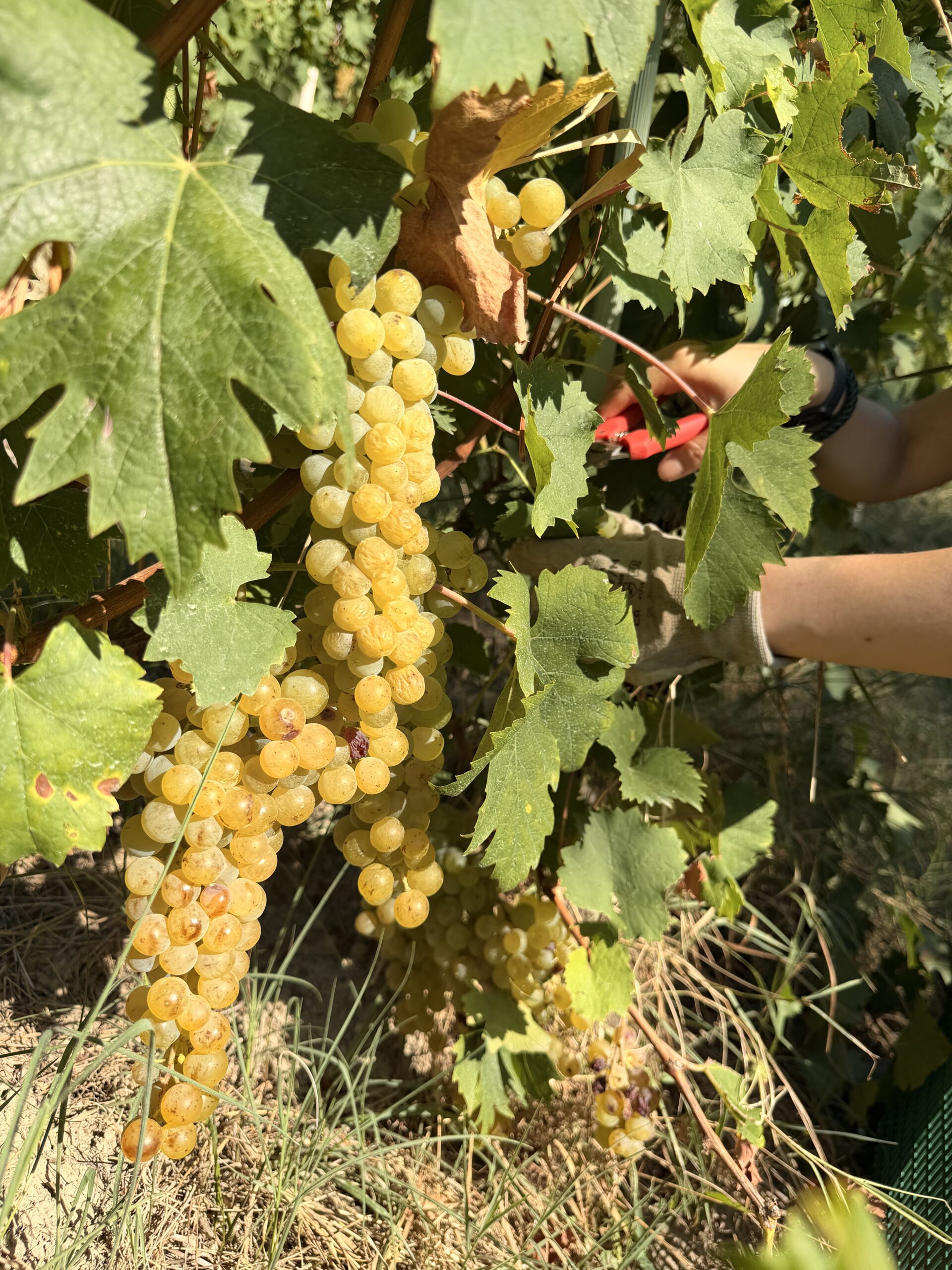
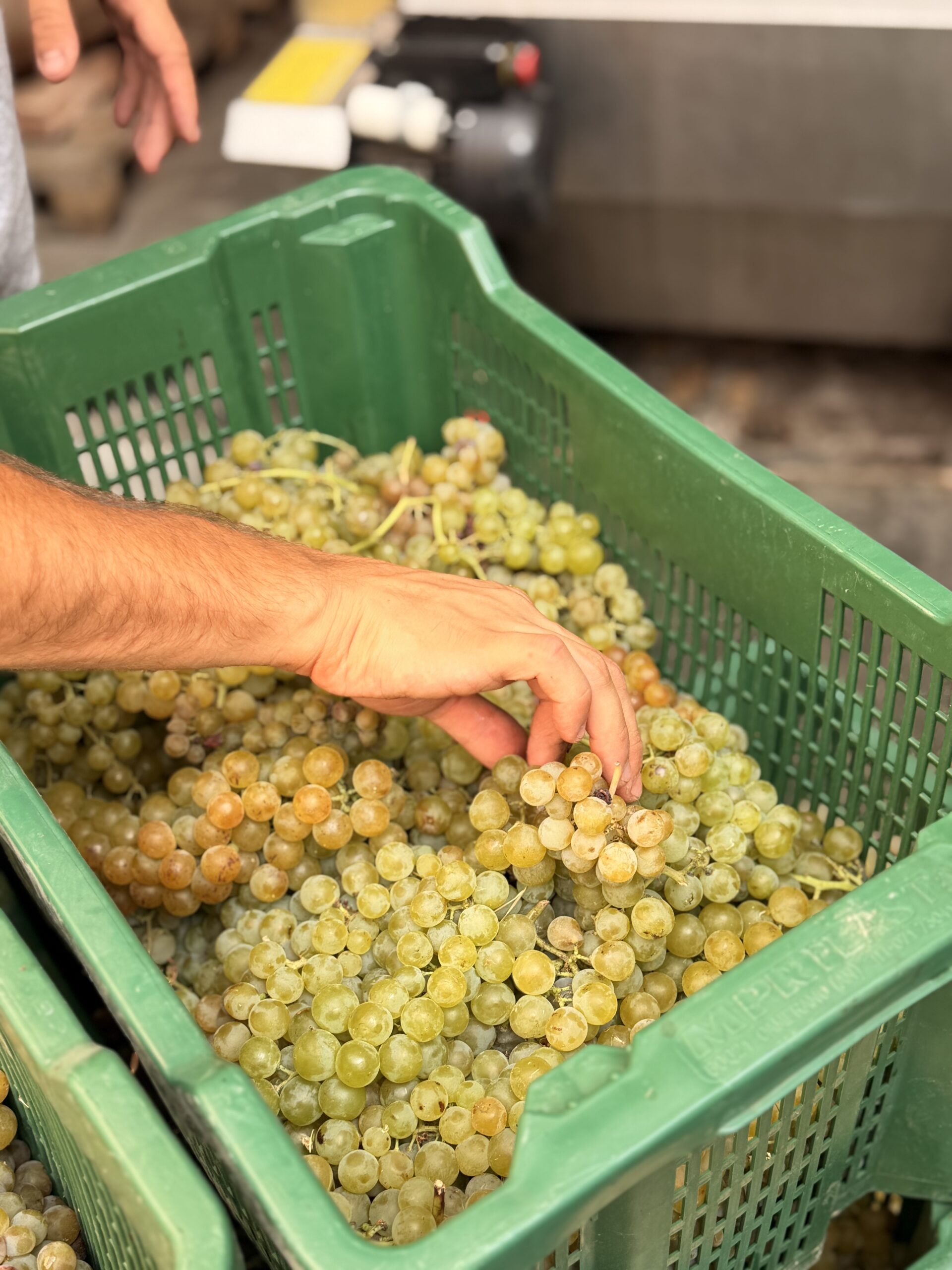
We purchase grapes, grape must, and cuvées. Only those that meet our standards: selection is the first step in the production process, not a mere purchase.

Our Rules

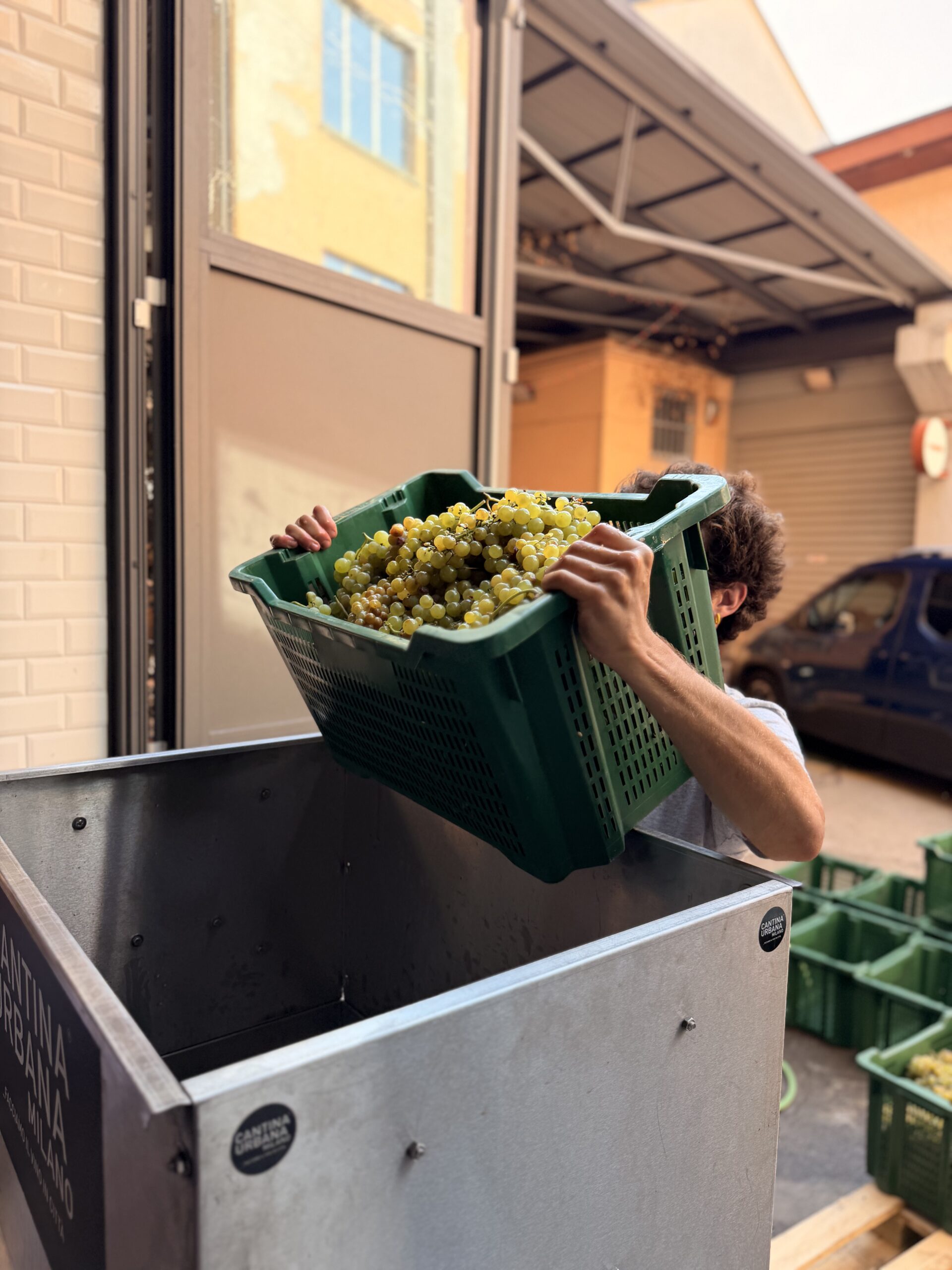
We handle the winemaking ourselves, either in the city or at the producer’s site. We set the rules. This is the most important step: some wines are made here on the Naviglio, others are made on-site at our partner’s facility, but in both cases, we follow our own winemaking protocol. Control lies in the method, not in the location of the tank. If someone asks if it’s “real wine made in Milano”: yes, and part of it is also made elsewhere according to our rules. 

Urban Winery — Naviglio

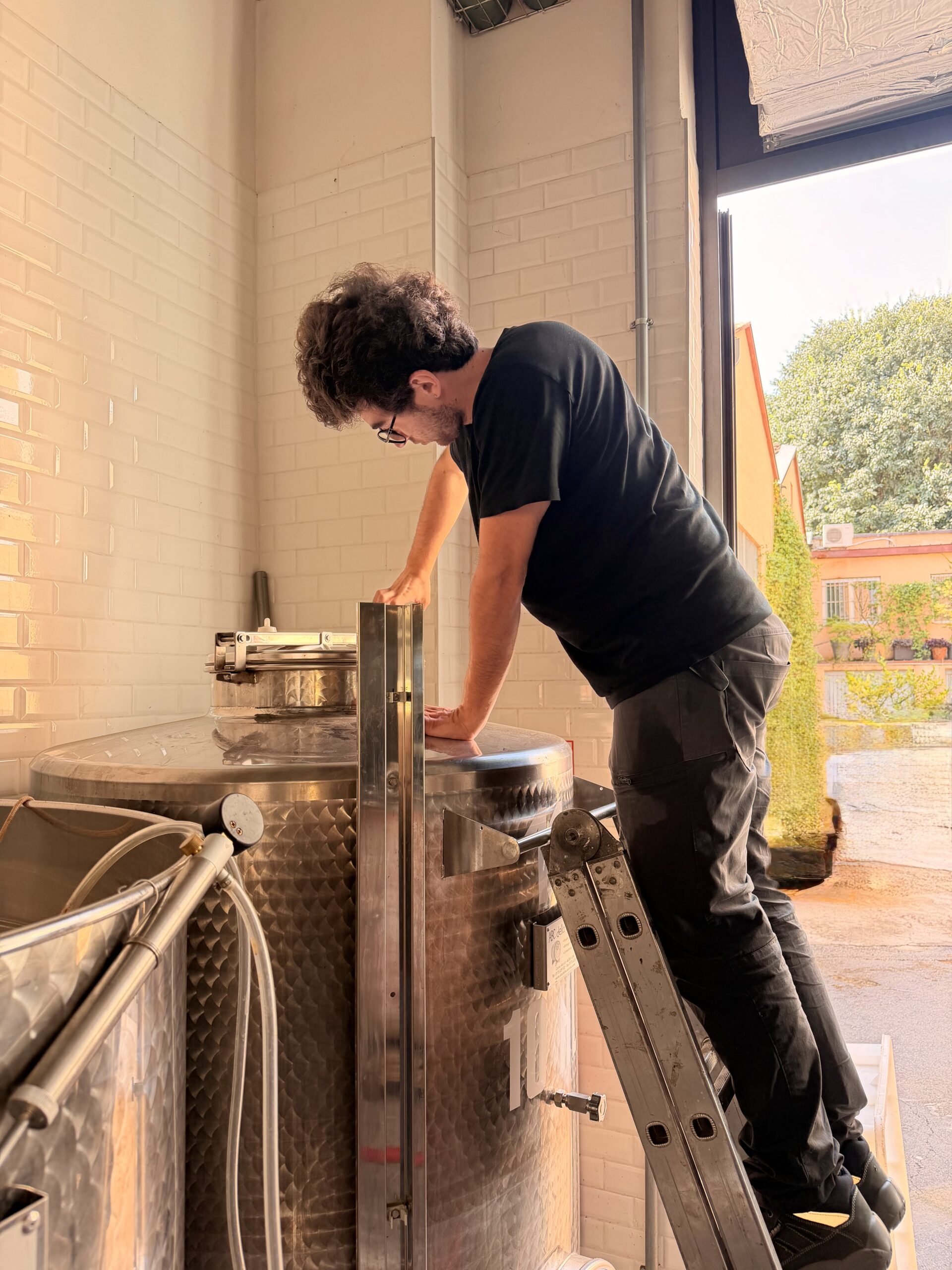
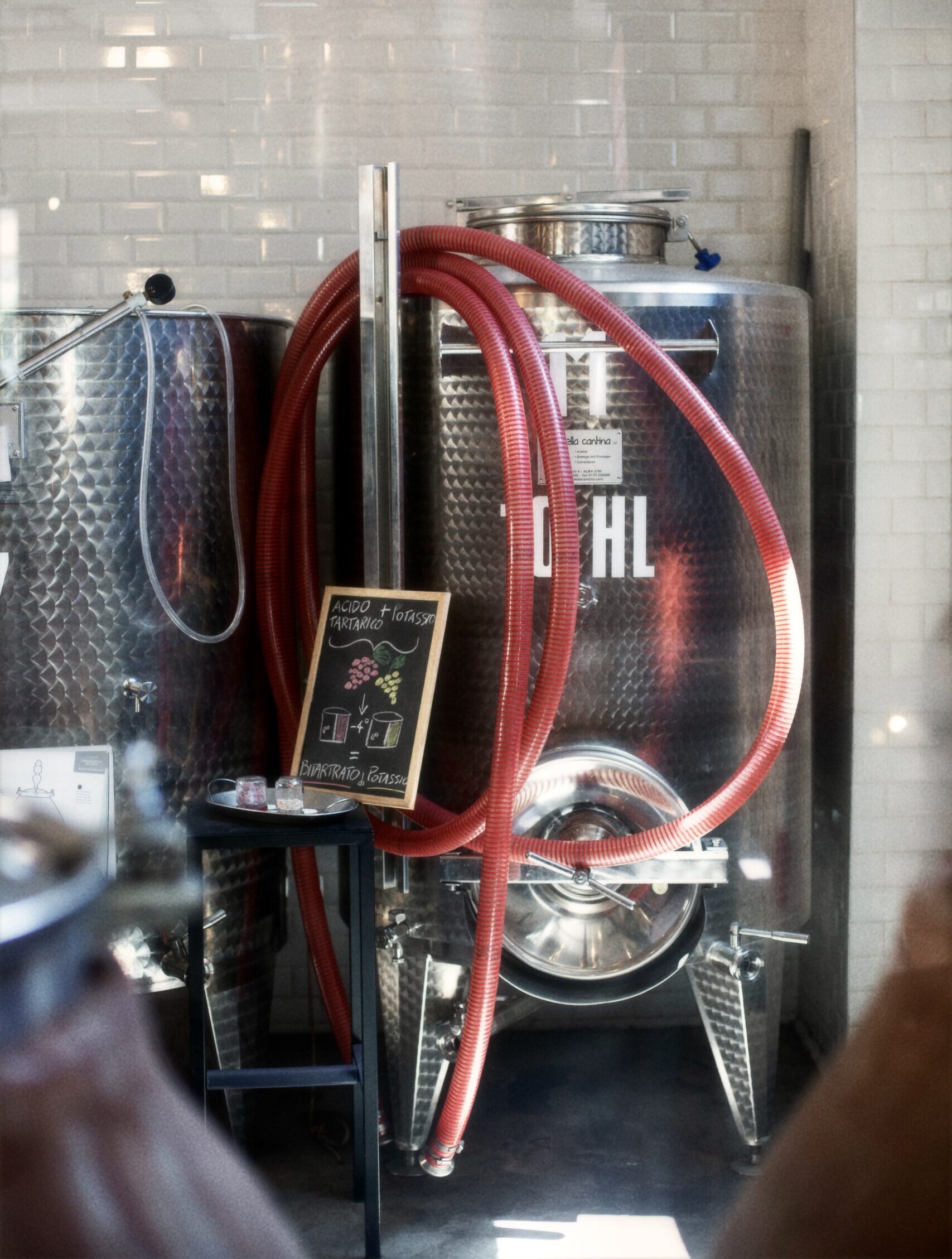
Wine-making, blending, and aging take place at Milano, in four wine vats. 

The wine: good, clean, and well-made. With respect for the entire supply chain

The 4 Vinari Vases

Neutral and airtight: it doesn’t compromise in any way and doesn’t let oxygen through. The grape’s primary flavor reaches the glass just as it was. It’s the only one of the four that adds nothing, so it serves as the benchmark against which the other three are measured.

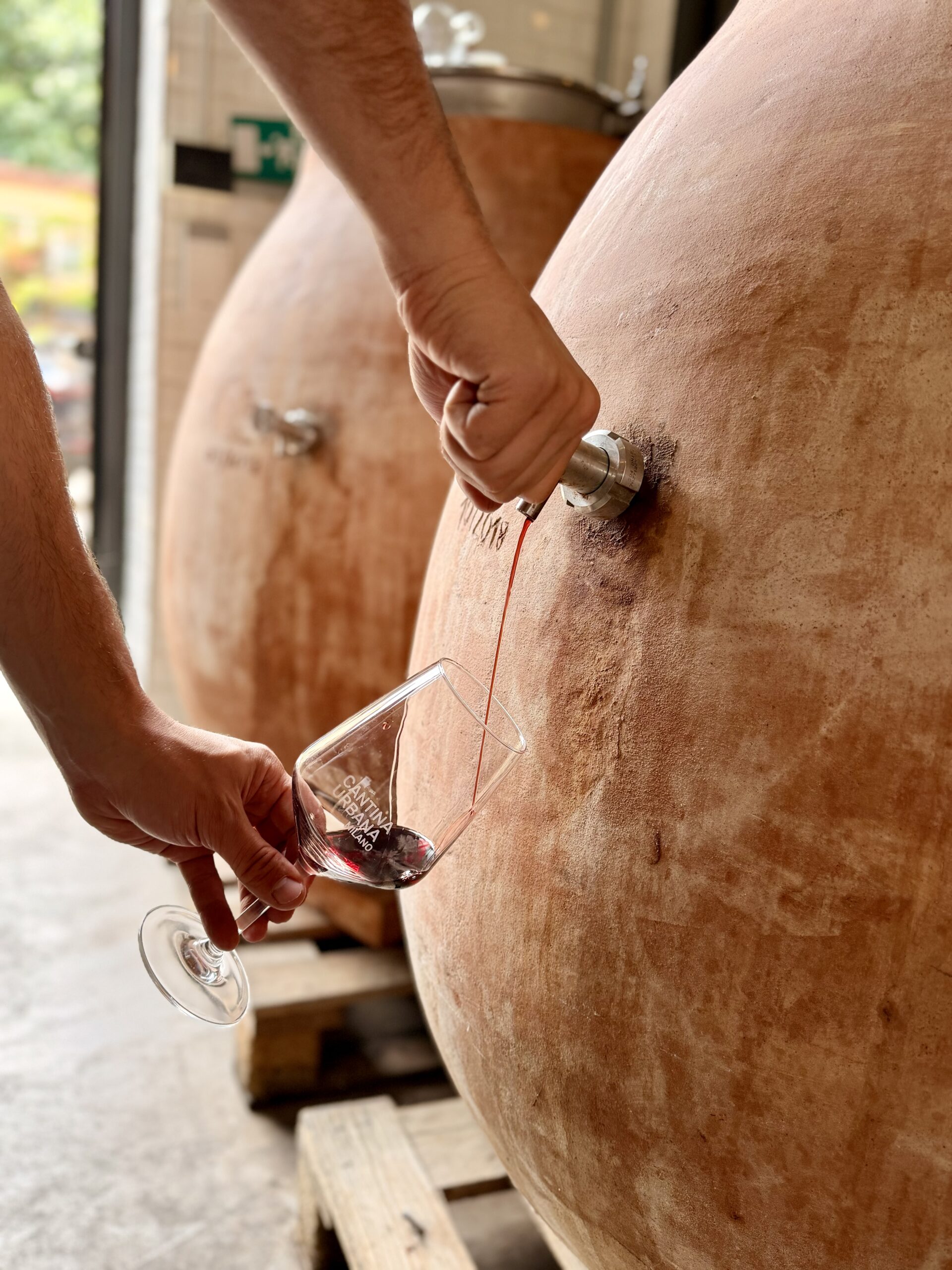
Terracotta, fired at temperatures between 960 and 1040 °C, with a porous wall. Continuous micro-oxygenation without any woody notes: it rounds out the edges, lengthens the finish, and plays on the palate and the saltiness rather than the aroma.

225-liter oak barrel. The only barrel that imparts certain characteristics: tannins, vanilla, toasty notes, and more oxygen through the staves.
It builds body and structure. It should be savored in moderation, not consumed in excess.

Clayver ceramic, fired at 1200 °C. It is not cement, and this is the most important distinction of all: stoneware is a material that behaves more like natural granite. Impermeable to liquids but with residual microporosity, it allows 2–6 mg/l of oxygen to pass through per year, according to the manufacturer; it has zero electrical conductivity, thus reducing the risk of reduction. The ovoid shape keeps the fine lees in motion without the need for bâtonnage.

Photogallery

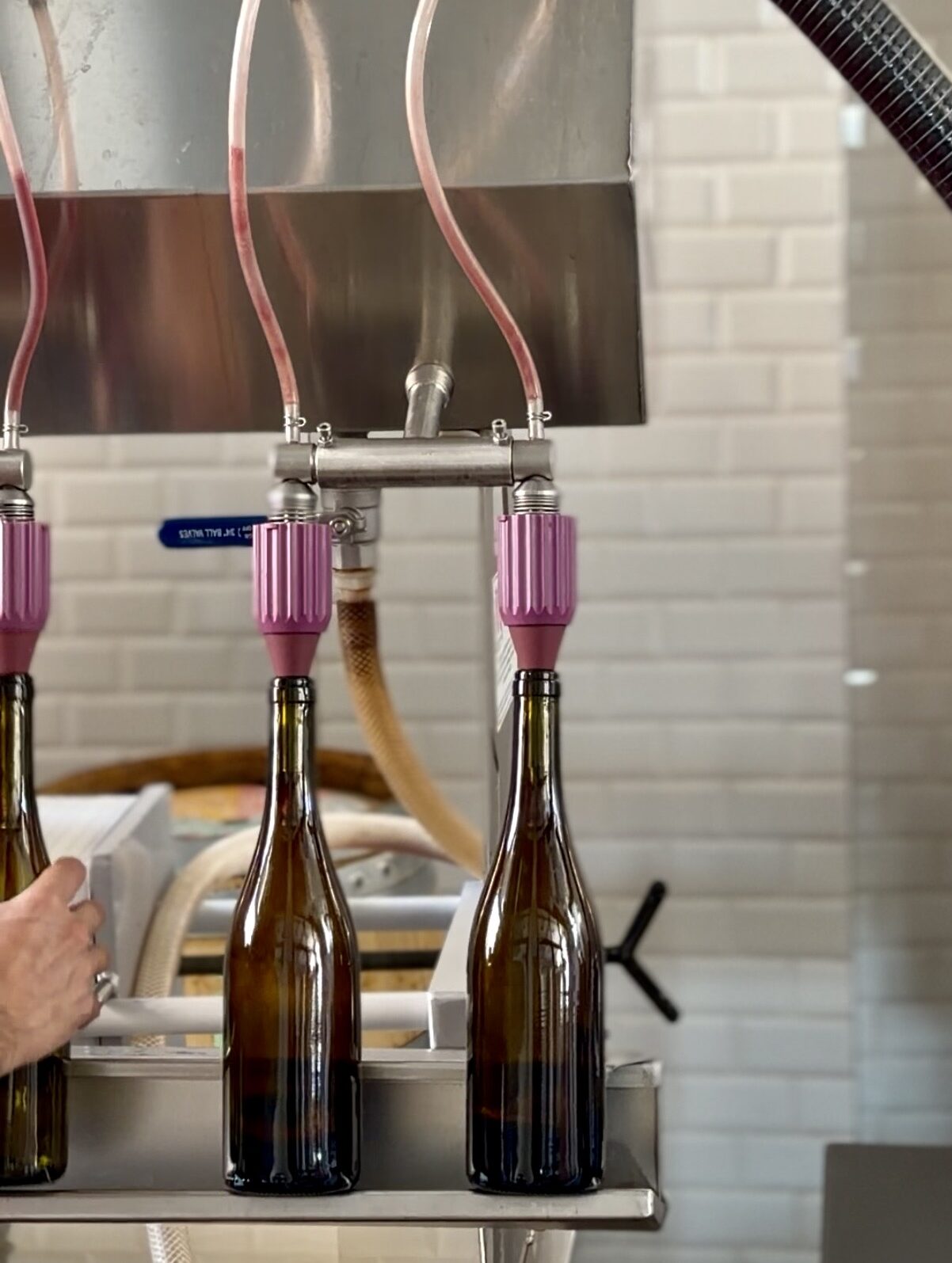
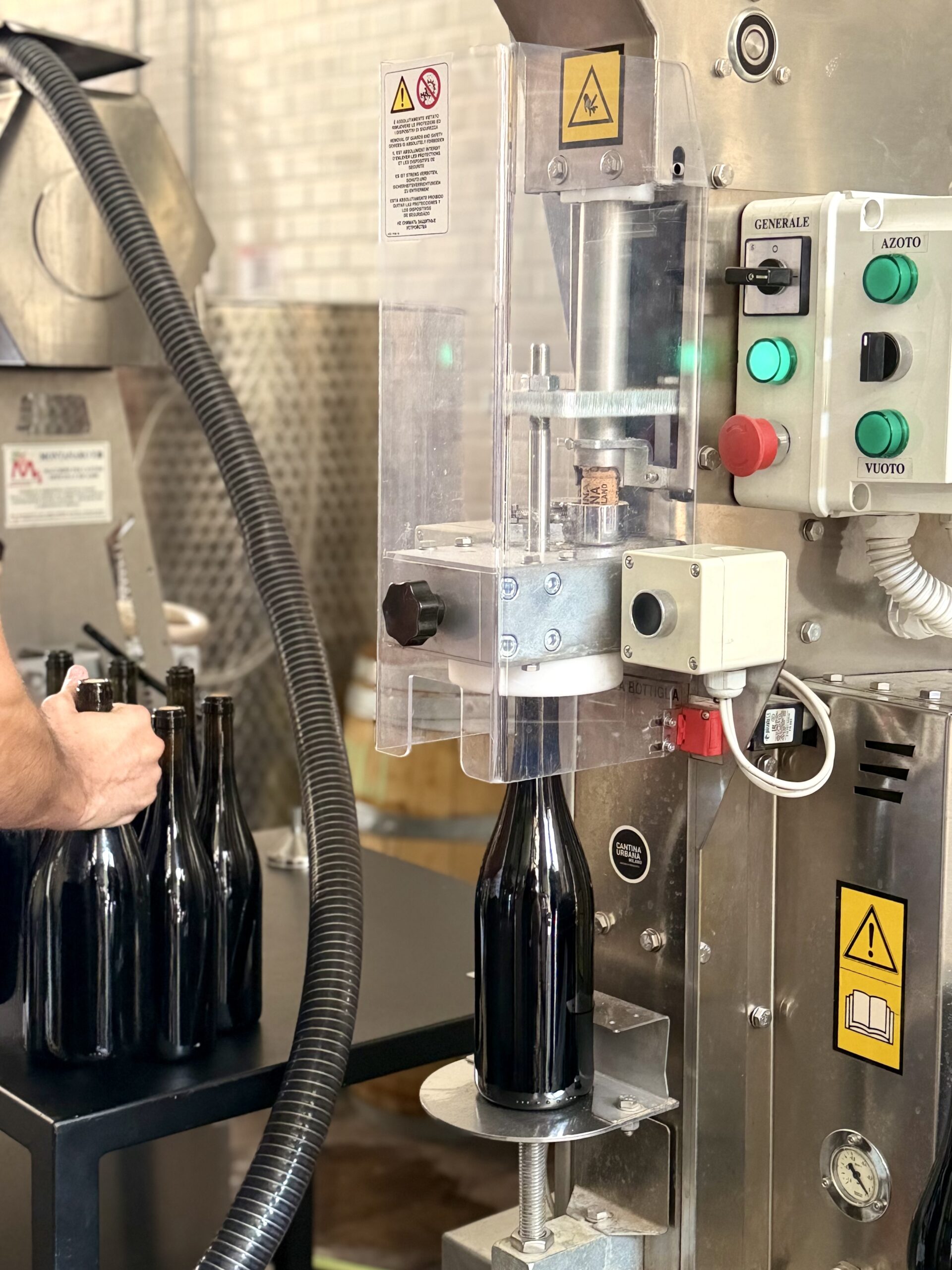
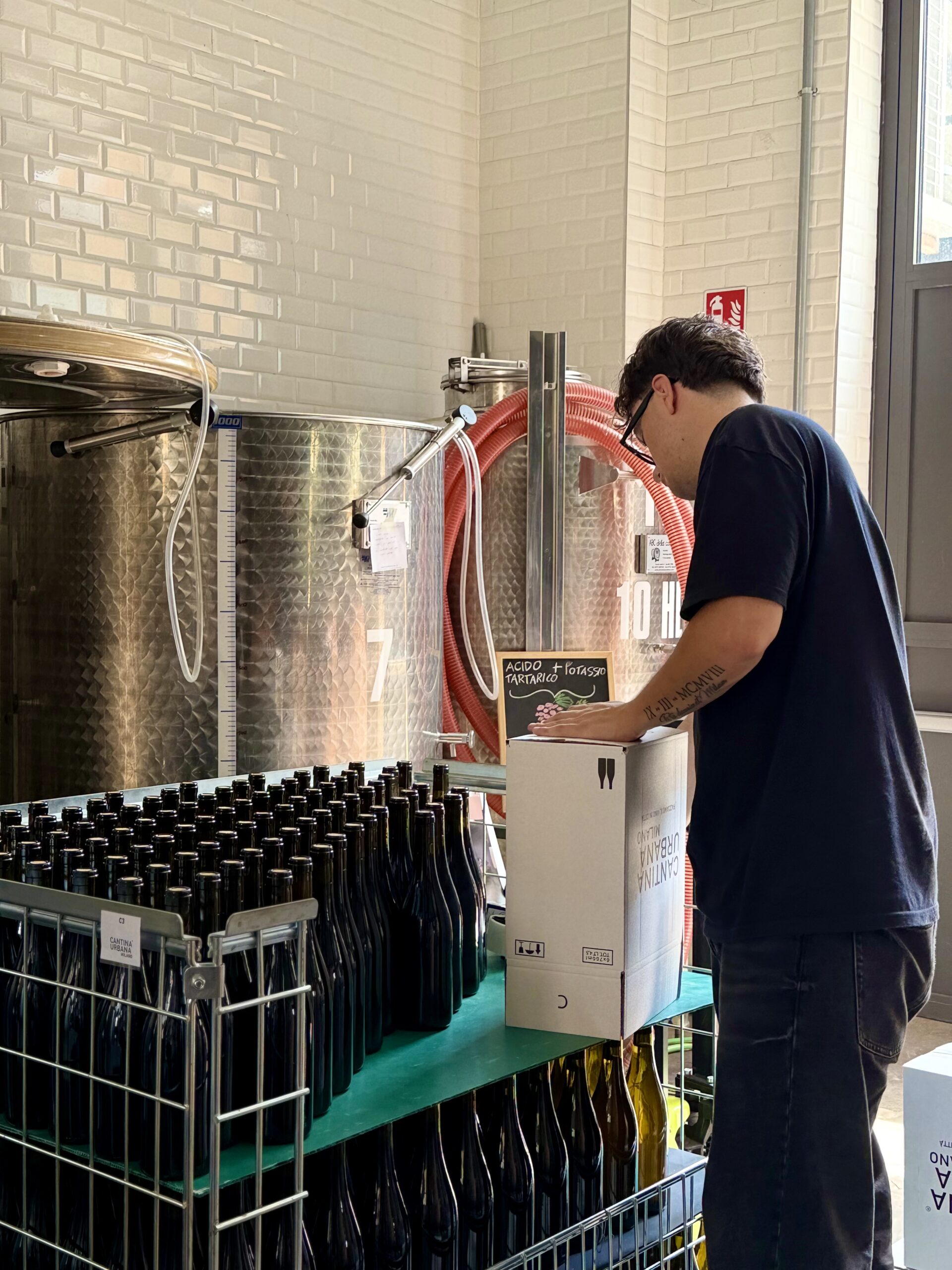
Production moments

No secrets

Live your winery experience

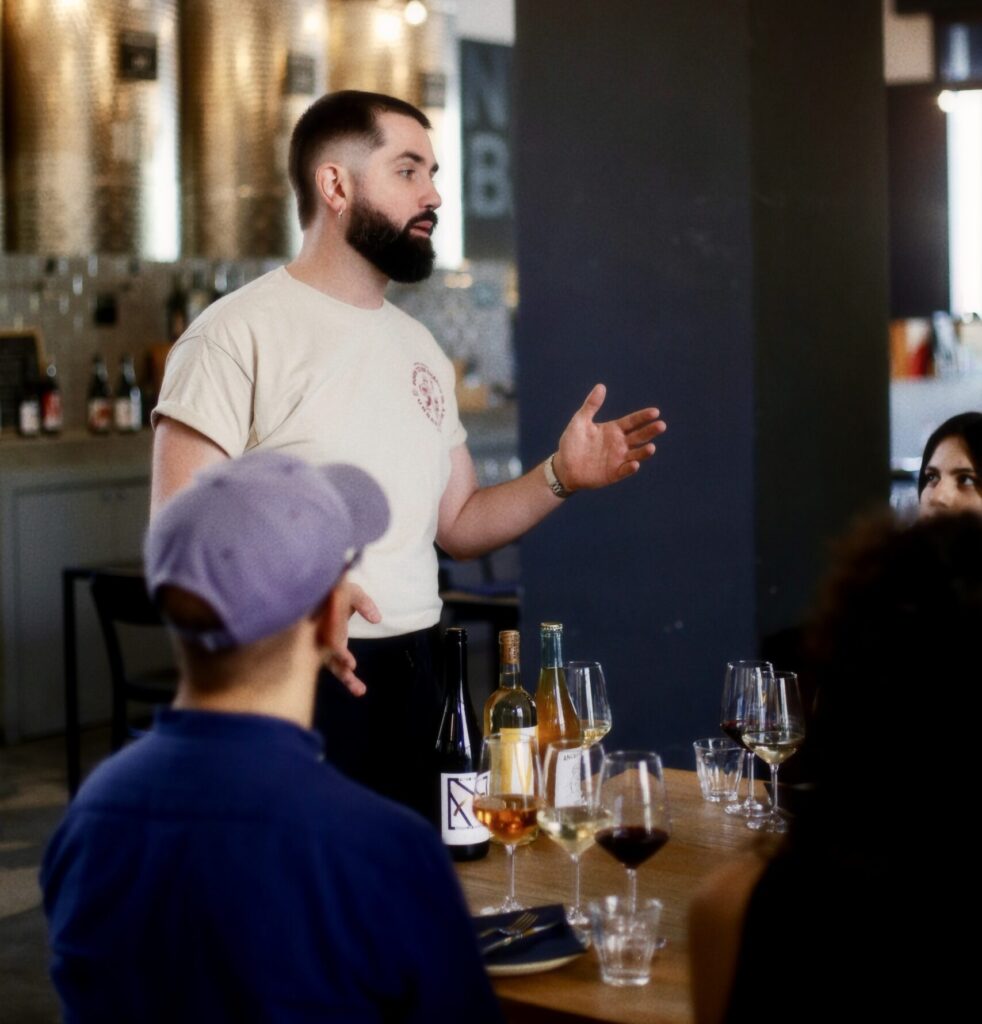
A Winemaker will be happy to explain to you in detail how we make our wines in a series of unique itineraries for you to fully experience Cantina Urbana.

Cantina Urbana Milano 16

Let me pour you a drink

Learn about the Winery's method

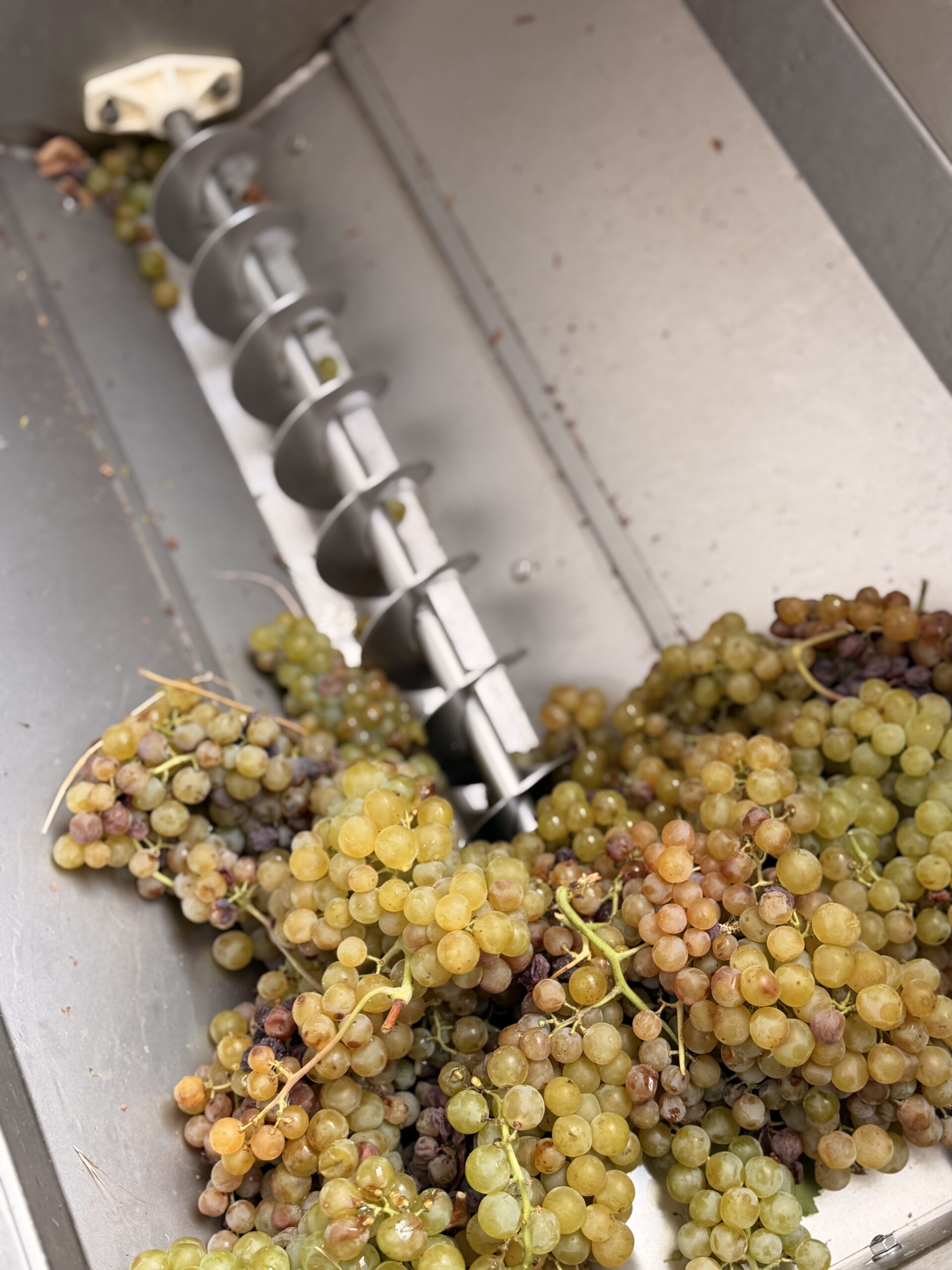
Follow the wine-making processes step by step, from the arrival of the grapes at the winery to the labeling of the bottle.

🔍We are looking for boys and girls for evening room and bar service!
If you would like to be part of our staff, please send your application to the email address amministrazione@cantinaurbana.it

🤟Don't forget to attach your CV!

🍷In the evening we open the doors of our Winery Bar: a place for meetings, tastings, events.

🔥Are you ready to work with us?